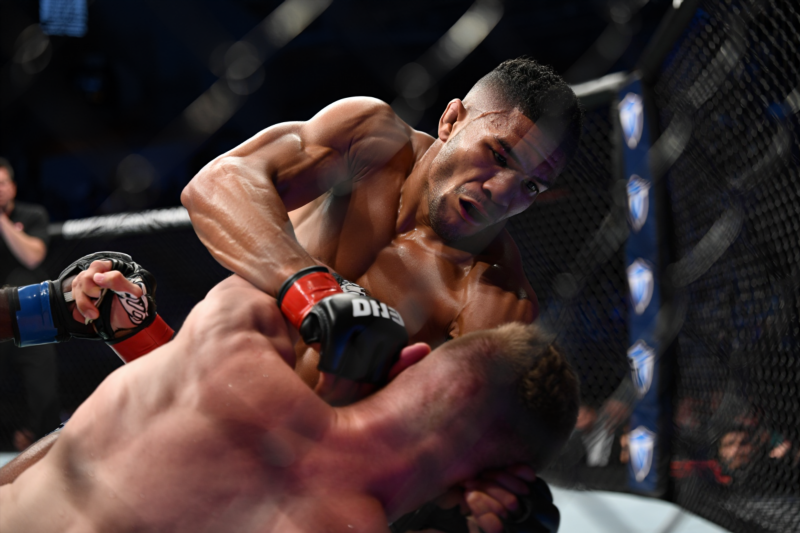
In the competitive world of mixed martial arts (MMA), mastering submission holds can be the key to victory. Whether you’re a seasoned fighter or a passionate fan, understanding the intricacies of submission techniques unlocks new levels of strategic thinking. LaserTech MMA Hub is dedicated to providing comprehensive insights into MMA news, fight previews, fighter profiles, and the tactical nuances that define the sport. Today, we delve into submission holds—their types, execution, and how they can give you a decisive edge in the octagon.
Why Are Submission Holds Crucial in MMA?
Submission holds serve multiple strategic purposes:
- Finishing fights: Secure victory through taps or unconsciousness.
- Gaining control: Dominate opponents mentally and physically.
- Setting up strikes: Create openings for punches or elbows.
- Conserving energy: Secure a win with minimal exertion.
Understanding submissions is vital for fighters aiming to diversify their arsenal and for fans seeking to grasp fight dynamics better.
Types of Submission Holds in MMA
There are several categories of submission techniques, each with unique mechanics and strategic applications.
Chokeholds
These aim to restrict airflow or blood flow, causing unconsciousness if the opponent does not tap out.
- Rear-Naked Choke (RNC)
A powerful choke from back control, utilizing arm positioning to clinch the throat.
- Guillotine Choke
Executed from the front when the opponent shoots for a takedown, trapping the head and neck.
- Triangle Choke
Using the legs to form a triangle around the opponent’s neck and arm, cutting off blood flow.
Joint Locks
Targeted at hyperextending or twisting joints, these holds force opponents to submit due to pain or injury risk.
- Armbar (Juji Gatame)
Hyperextends the elbow joint, typically from guard or mounted positions.
- Kimura Lock
Attacks the shoulder and arm, involving a figure-four grip.
- Americana
Also known as the figure-four arm lock, it targets the shoulder joint.
Compression Holds
These involve applying pressure across the chest or body, limiting movement.
- Modified Clinch with crossface—used to control movement before transitioning into submission attempts.
Effective Techniques and How to Apply Them
1. Setting Up Submissions
Successful submissions often rely on timing and setup:
- Control positioning: Mounts, back control, or side control improve submission chances.
- Feints and distractions: Draw the opponent’s defenses, exposing vulnerable areas.
- Chain submissions: Transition from one hold to another seamlessly; for example, from a choke to an armbar.
2. Key Execution Tips
- Maintain proper grips and leverage.
- Keep your hips close for maximum pressure.
- Use your body weight efficiently.
- Watch for the opponent’s defenses and respond accordingly.
3. Defense Against Submissions
To avoid falling victim:
- Stay aware of opponent’s grips and positioning.
- Practice escaping common holds.
- Improve positional control to prevent submission attempts.
Expert Insights for Better Fight Strategies
Strategic Integration: Incorporating submissions into your overall fight plan can keep opponents guessing. Attacking with submissions forces them to defend, opening up striking opportunities or takedowns.
Conditioning and Technique: Technical mastery combined with physical conditioning makes executing submissions more effective under fatigue. Regular drilling and scenario training simulate real fight situations.
Mindset: Remaining calm under pressure and recognizing submission opportunities is crucial. Visualize scenarios in training to enhance reaction time in the octagon.
Frequently Asked Questions (FAQs)
How do I choose the right submission for my fighting style?
Select holds that complement your strengths. If you excel in grappling, focus on chokes and joint locks. If striking is your forte, setting up submissions through striking combinations can be effective.
Are submissions more effective in amateur or professional MMA fights?
Submissions are vital at all levels but are more strategically executed in professional fights due to higher skill levels and training.
What training is essential to master submission holds?
Focus on technical drilling, positional sparring, and scenario-based training. Cross-training in Brazilian Jiu-Jitsu and wrestling provides a strong foundation.
Understanding submission holds in MMA elevates your fighting strategy and enhances your chances of victory. From chokes to joint locks, these techniques offer powerful tools for control and finishing fights. Remember—technique, timing, and mindset are the pillars of successful submissions. Explore expert insights, study fight footage, and incorporate these tactics into your training to gain a competitive edge inside the octagon.
Ready to take your MMA skills to the next level? Start mastering submission holds today and transform your fight game—because knowledge combined with precision is your greatest weapon.
Stay tuned with LaserTech MMA Hub for the latest news, fighter profiles, and in-depth analysis designed to sharpen your MMA acumen.