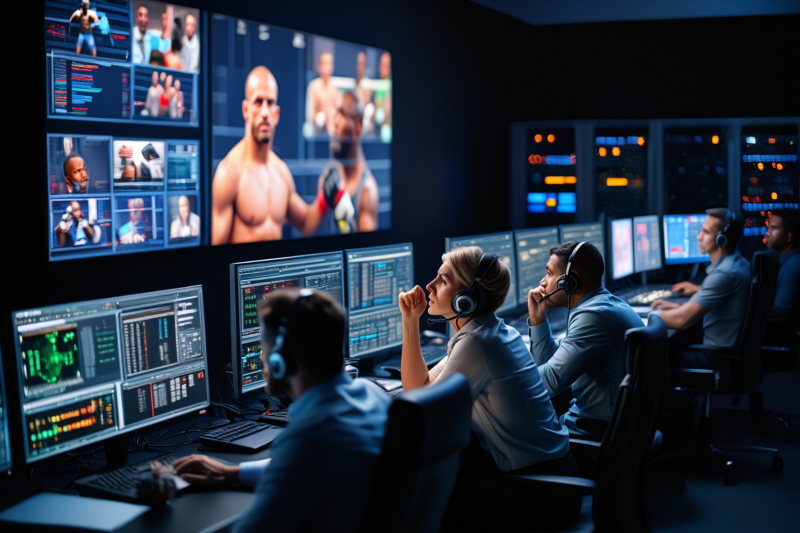
How UFC Pay-Per-View Events Are Organized Behind the Scenes
When you tune in to a UFC Pay-Per-View (PPV) event, you’re witnessing more than just the fighters clashing in the octagon. Behind the scenes, an intricate web of planning, coordination, and cutting-edge technology come together to deliver a seamless, high-quality viewing experience. This article explores how UFC manages its broadcast schedules and production workflows behind the curtain, ensuring fans worldwide enjoy every punch, submission, and knockout without a hitch.
The Complexity of UFC PPV Event Planning
UFC Pay-Per-View events are formidable logistical feats. They involve synchronized efforts across multiple departments—marketing, production, talent management, and technical support.
Key Stages in Event Organization:
- Scheduling & Venue Selection: The process begins with selecting an appropriate venue and date, considering fighter availability, opponent rivalries, and global broadcasting rights.
- Fight Card Finalization: Matchmakers craft the fight lineup, balancing fan favorites, title fights, and emerging contenders to maximize viewership.
- Promotion & Marketing: Building anticipation through teasers, interviews, and social media campaigns that culminate in peak engagement on fight night.
Behind the Scenes of Broadcast Scheduling
Broadcast schedules are meticulously planned months in advance, with a focus on maximizing viewer engagement and ensuring all technical aspects run smoothly.
- Pre-Production Timeline:
- Content Creation: Fighters’ interviews, weigh-ins, and promotional videos are scheduled.
- Technical Rehearsals: Camera setups, lighting, and audio checks are conducted days prior to the event.
- Live Event Workflow:
- Multiple camera feeds are prepared—wide shots, close-ups, slow-motion replay—each coordinated precisely.
- Commentary teams are briefed to provide expert analysis without disrupting the flow.
Production Workflow & Technology Integration
Modern UFC PPV events demand cutting-edge technology to ensure high-definition quality, multiple camera angles, and real-time data updates.
Core Aspects of Production:
| Aspect | Description |
| Camera Work | Multi-angle coverage capturing every move |
| Replay & Slow Motion | Instant replays for significant moments |
| Graphics & Statistics | On-screen data like fighter stats, round timers, and rankings |
| Audio Production | Clear commentary, crowd noise, and fight sounds |
The integration of digital tools like real-time broadcast control systems and high-speed data streaming guarantees a polished presentation that fans expect.
Coordinating Fighter and Event Logistics
Behind every successful Pay-Per-View is a precise coordination of fighters’ schedules, medical checkups, and weigh-ins, all synchronized with the broadcast timeline. Staff ensures fighters arrive on time, conduct weigh-ins smoothly, and participate in promotional activities—minimizing delays and maximizing viewer interest.
How Experts Ensure a Flawless Viewer Experience
Specialized teams undertake rigorous rehearsals and soundchecks, while contingency plans address potential technical issues like signal loss or equipment failure. Real-time monitoring by engineers and production managers is vital, allowing immediate response to unforeseen problems.
Final Thoughts: Raising the Bar for UFC Viewership
Understanding the behind-the-scenes complexity of UFC Pay-Per-View events reveals the immense effort to bring fight fans closer to the action than ever before. From strategic scheduling and advanced broadcast technology to seamless coordination among numerous departments, every detail is meticulously managed to make each event a memorable spectacle.
Explore more now and discover how UFC’s behind-the-scenes mastery elevates your viewing experience, keeping fans engaged and excited for each fierce competition.
Frequently Asked Questions (FAQs)
Q: How far in advance are UFC PPV events planned? A: Typically, UFC plans major PPV events several months ahead, with fight cards finalized 8-12 weeks prior and promotional activities ramping up closer to the event date.
Q: What technology is used for live UFC broadcasts? A: UFC uses state-of-the-art broadcast systems including multiple high-definition cameras, instant replay technology, graphics engines, and real-time data feeds to deliver a dynamic viewing experience.
Q: How does UFC ensure smooth execution during the event? A: Through detailed rehearsals, contingency planning, and in-event real-time technical support, UFC minimizes technical disruptions and maintains broadcast quality.
Get ready to experience the adrenaline of UFC fights like never before, backed by behind-the-scenes expertise designed to thrill and entertain millions of fans worldwide.