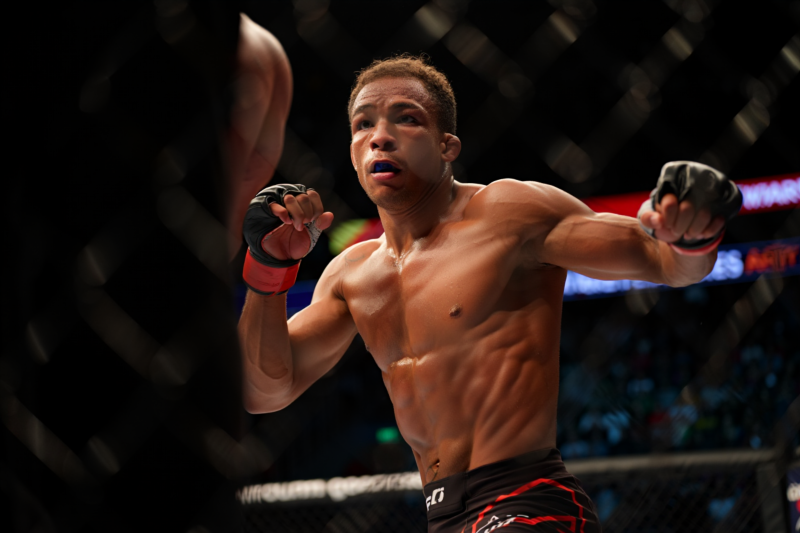
Over the past three decades, mixed martial arts (MMA) has undergone a remarkable evolution—transforming from a niche combat sport into a global phenomenon. This progression reflects not only changes in rules and regulations but also the relentless innovation of fighters and coaches striving to optimize their strategies, techniques, and performance. Through this comprehensive exploration, we reveal how MMA fighting styles have evolved over 30 years, highlighting key developments that have shaped the sport today.
The Origins: Early MMA and Its Primitive Styles
The Birth of Modern MMA
In the early 1990s, MMA’s roots were heavily influenced by the UFC’s debut in 1993, emphasizing martial arts dominance with minimal rules. Fighters often specialized in a single discipline, such as Brazilian Jiu-Jitsu (BJJ), boxing, or karate, resulting in predictable and unbalanced matchups.
Predominant Styles in the Early Days
- Brazilian Jiu-Jitsu: Ground fighting and submissions
- Boxing: Striking focus, head movement, and punches
- Karate and Taekwondo: Striking with kicks, speed, and movement
- Wrestling: Takedowns and control on the mat
Limitations of Early Styles
Initially, fighters focused solely on their martial arts background, which often left gaps in their overall fighting game—such as poor takedown defense for strikers or limited striking for grapplers. This lack of integration limited strategic depth and endurance.
Key Milestones in MMA Style Evolution
1. The Rise of Hybrid Fighters (Late 1990s – Early 2000s)
- Fighters began blending multiple disciplines, leading to the creation of “mixed” martial artists.
- Coaches emphasized cross-training in striking, grappling, and conditioning.
- Example: Jose “Pride of Hawaii” Aldo combined striking with effective takedown defense, setting new standards.
2. Ground-and-Pound and Top Control (Mid-2000s)
- Strikers adopted ground-and-pound tactics for ground control and damage.
- Wrestlers integrated submission skills to finish fights on the ground.
- The emphasis shifted from pure technique to controlling opponents and dictating pace.
3. The Evolution of Striking Techniques
- Muay Thai, kickboxing, and boxing have continually influenced striking strategies.
- Fighters like Anderson Silva and Jon Jones demonstrated reach, timing, and varied striking.
4. Defensive Strategies and Fight IQ
- Fighters began mastering defensive techniques such as sprawling, clinching, and footwork.
- Fight IQ became central—anticipating opponents’ moves and countering effectively.
5. Modern MMA: Explosive, Well-Rounded Combat
- Today’s fighters are highly versatile, combining striking, grappling, and cage control.
- Leg kicks, body shots, and submission transitions are integral.
- Innovation continues with the integration of sports science and data analytics.
How the Evolution Has Improved Fighters’ Strategies and Performance
| Aspect | Past Approach | Modern Approach | Impact on Performance |
| Striking | Single-discipline focus | Multi-discipline striking (boxing, Muay Thai, kickboxing) | Increased unpredictability and power |
| Grappling | Specialized (Brazilian Jiu-Jitsu, wrestling) | Integrated stand-up and ground skills | Better adaptability and endurance |
| Defense | Basic guard and movement | Advanced defensive techniques and fight IQ | Longer fights, fewer finishes |
| Conditioning | Traditional conditioning | Sport-specific, data-driven training | Higher stamina, faster recovery |
Influencing Factors in MMA Style Evolution
Rule Changes and Safety Regulations
- Opened opportunities for previously restricted techniques (e.g., knees, elbows).
- Discouraged certain fighting styles to encourage safer, more exciting bouts.
Advances in Training and Sports Science
- Use of data analytics, biomechanics, and nutrition to optimize fighters’ training.
- Increased focus on injury prevention and recovery.
Cultural Exchanges and Globalization
- Fighters from diverse backgrounds contribute innovative techniques.
- Cross-cultural training enhances overall strategic complexity.
Future Trends: What’s Next in MMA Fighting Styles?
- Emergence of hybrid sports elements (e.g., sport-specific striking)
- Increased use of technology like VR and AI for training
- Further specialization within mixed martial arts
Over 30 years, MMA fighting styles have fundamentally transformed, reflecting a deeper understanding of combat dynamics and athletic performance. Modern fighters are more versatile, strategic, and resilient, thanks to the relentless innovation inspired by the sport’s evolution. This narrative of progress underscores how MMA continues to adapt—pushing the boundaries of human performance and martial art mastery.
Discover More
Are you passionate about MMA? Stay ahead with the latest news, fight previews, fighter profiles, rankings, and expert analysis at LaserTech MMA Hub—your comprehensive portal for all things mixed martial arts. Explore the full story behind the evolution of MMA fighting styles and unlock insights that can elevate your understanding of this dynamic sport.
CTA: > Join LaserTech MMA Hub now and access exclusive in-depth analysis, fighter interviews, and detailed fight statistics—be part of the MMA revolution today!